Introducing Laser Doppler Vibrometry
Full Matrix is now offering vibration analysis as a service, using our Polytec PSV-500 3D Scanning Laser Vibrometer.
2 min read

Non-Contact Vibration Measurement
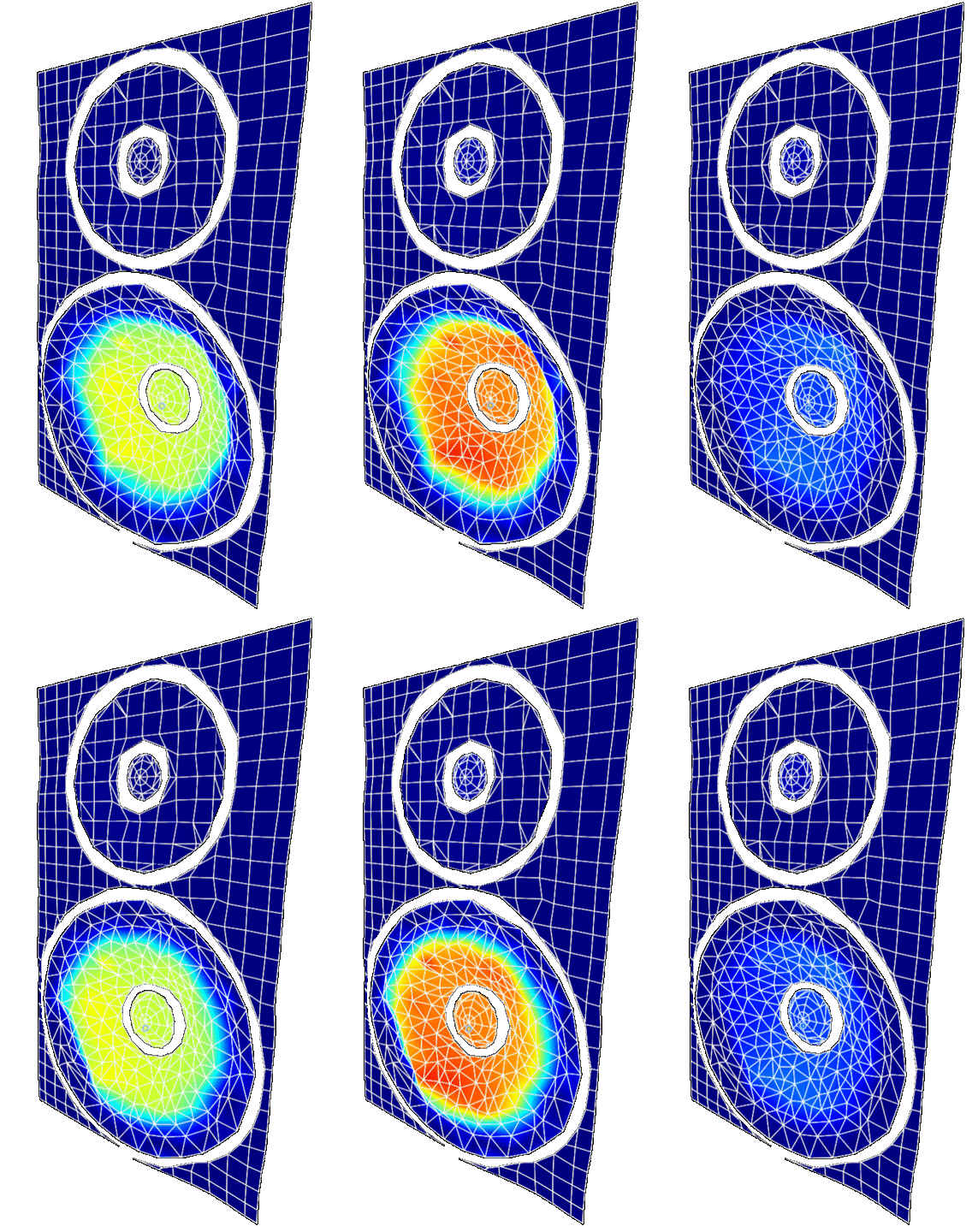
Laser Doppler vibrometry uses light to measure vibrations over an surface in 3D-space. This approach captures a detailed image of the sound waves in an object, unlocking a suite of powerful analytical techniques.
Full Matrix offers simple vibration measurement services, as well as more in-depth analysis from expert scientists.

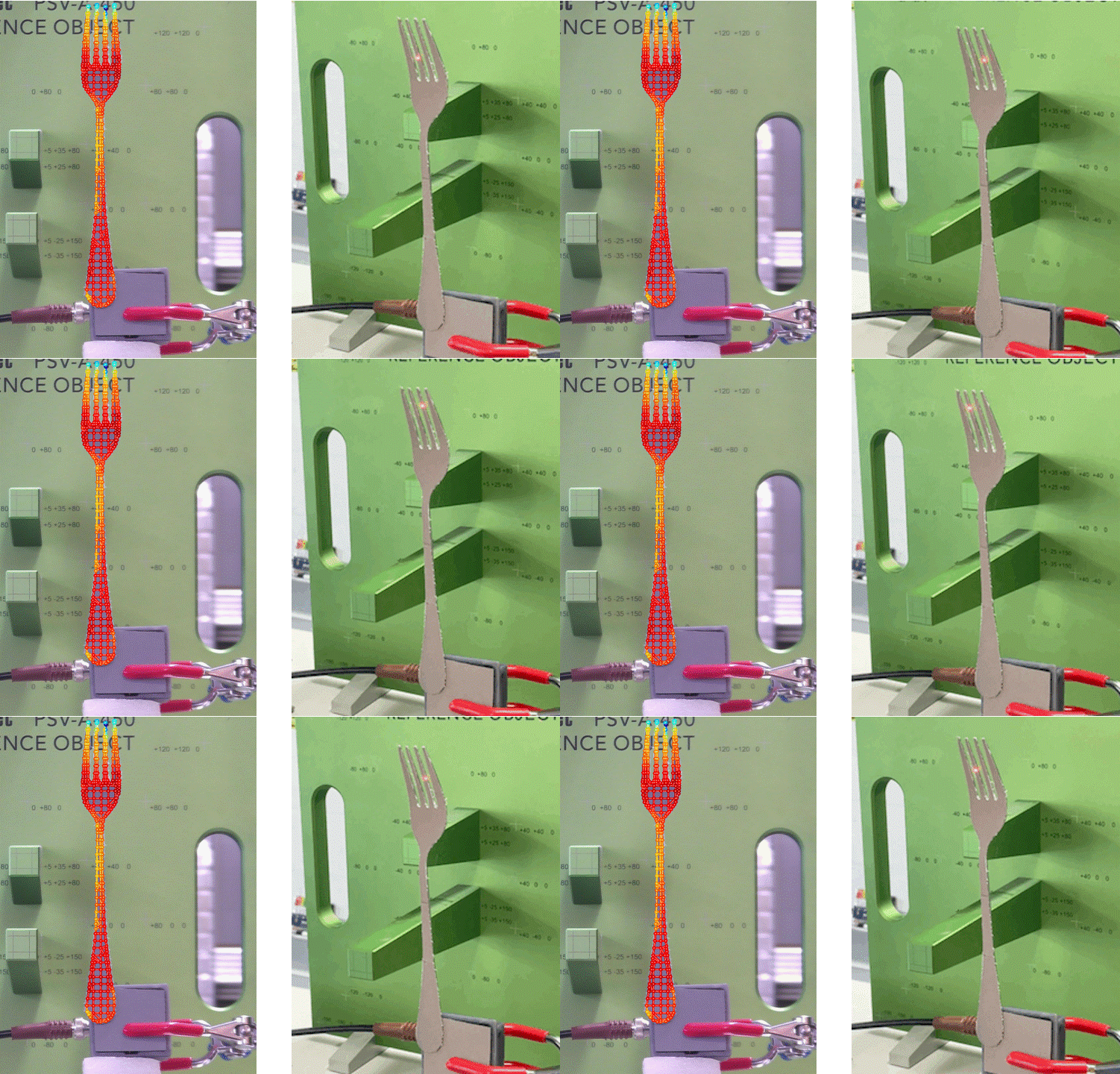
Full Matrix's Polytec PSV-500 vibrometer's three independent heads are synchronised to capture the complete 3D velocity profile on a surface.
While traditional sensor mounted alternatives require extensive preparation, laser vibrometry is easily implemented and the number of measurement points is only limited by optical access.
Immediate Visualisation
Intuitive representations to aid interpretation
3D Scanning
Complete velocity vector and geometry map
Dynamic Range
Frequency response from DC to 2 MHz Ultrasound
High Precision
Sub-millimeter spatial resolution at velocities of 0.01 µm/s to 30 m/s
Non-Contact
Optical measurement without disturbing motion
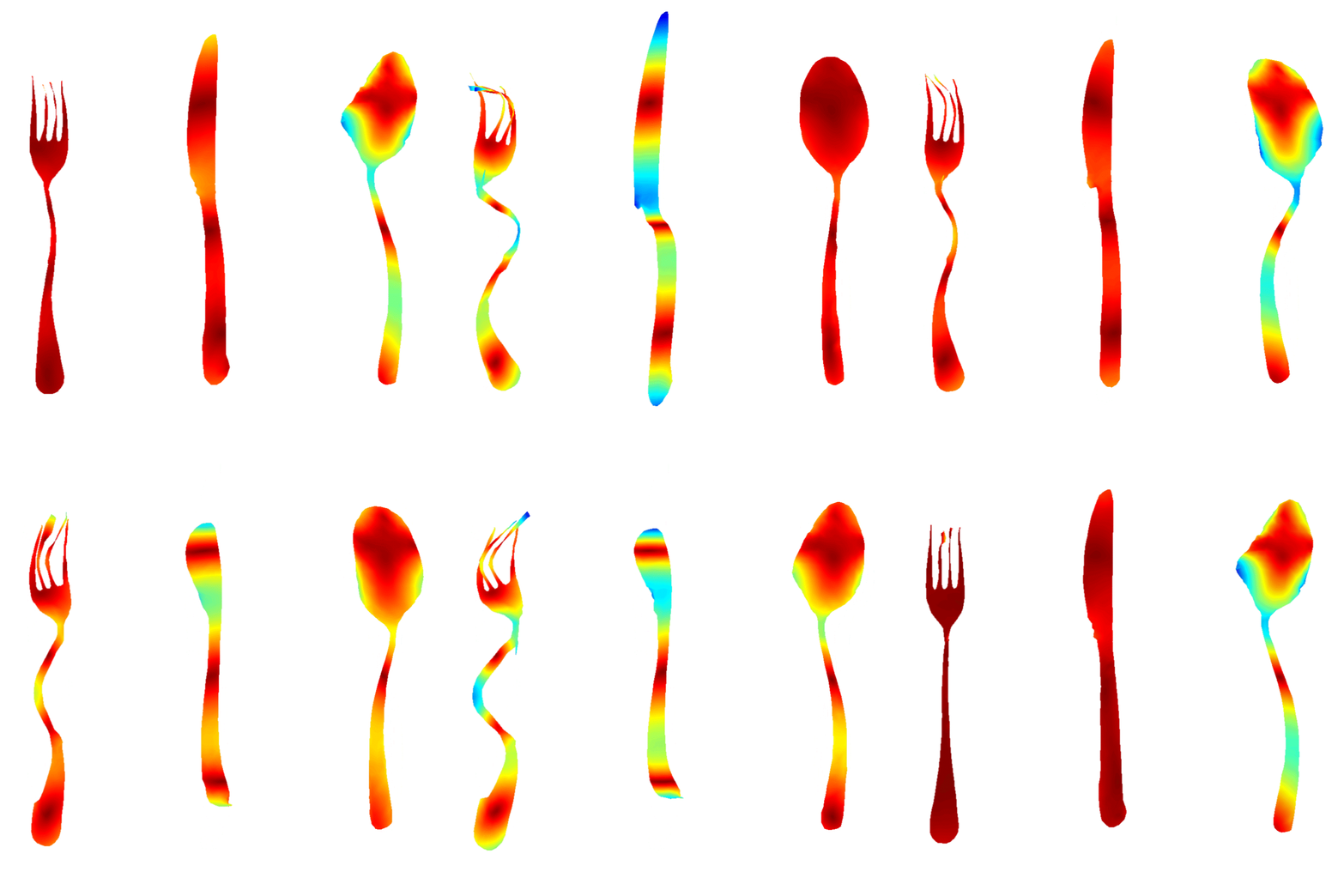
Intuitive visualisations allow laser vibrometry measurements of complicated dynamic motions to be interpreted quickly and easily. These engaging images bring alive hidden details embedded in vibrating components.
Vast amounts of data can be efficiently packaged into configurable 2D and 3D graphics to communicate results and draw conclusions clearly. Engaging 3D animations help to convey complex motions simply, whilst 2D heatmaps aid in pinpointing regions of interest.
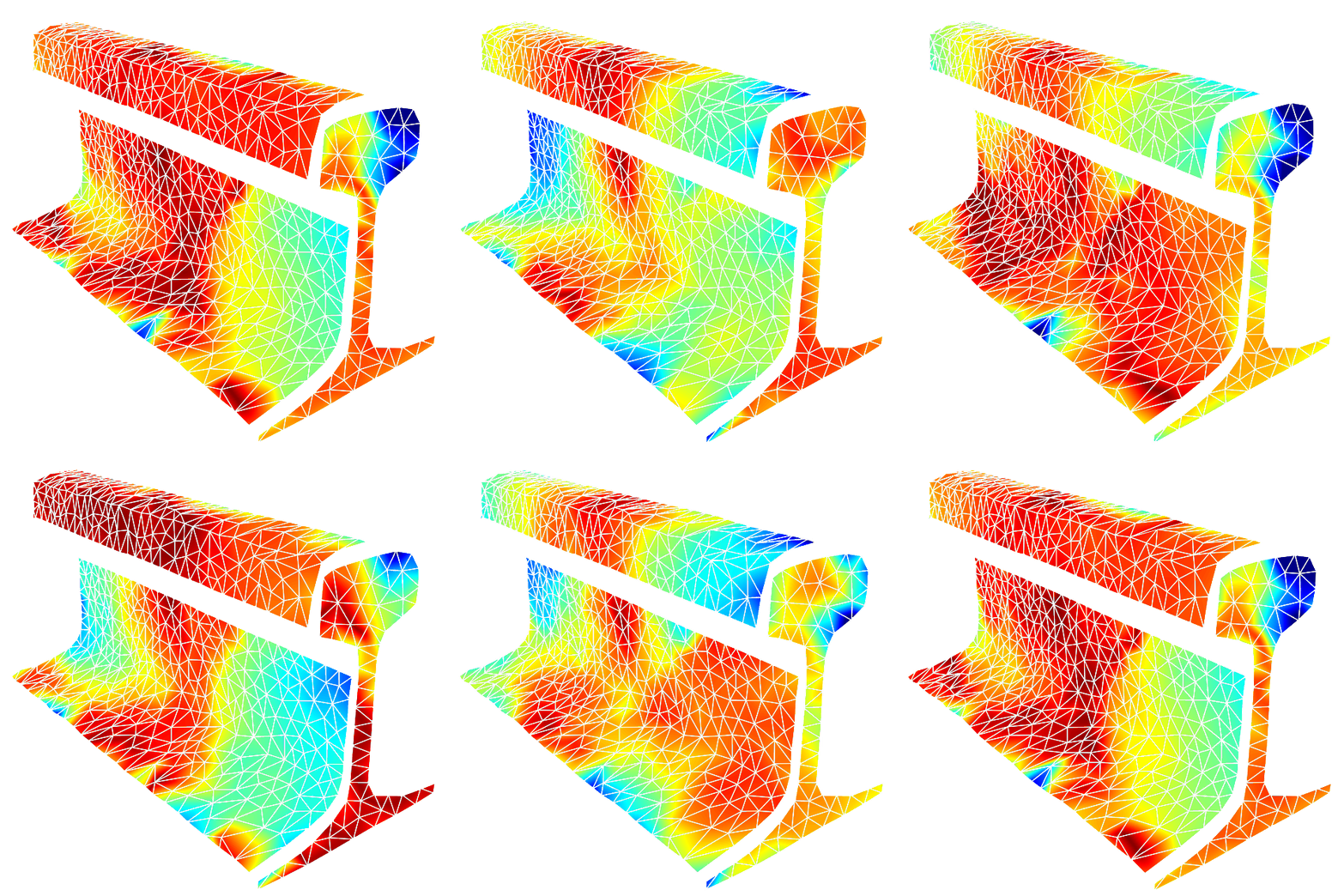
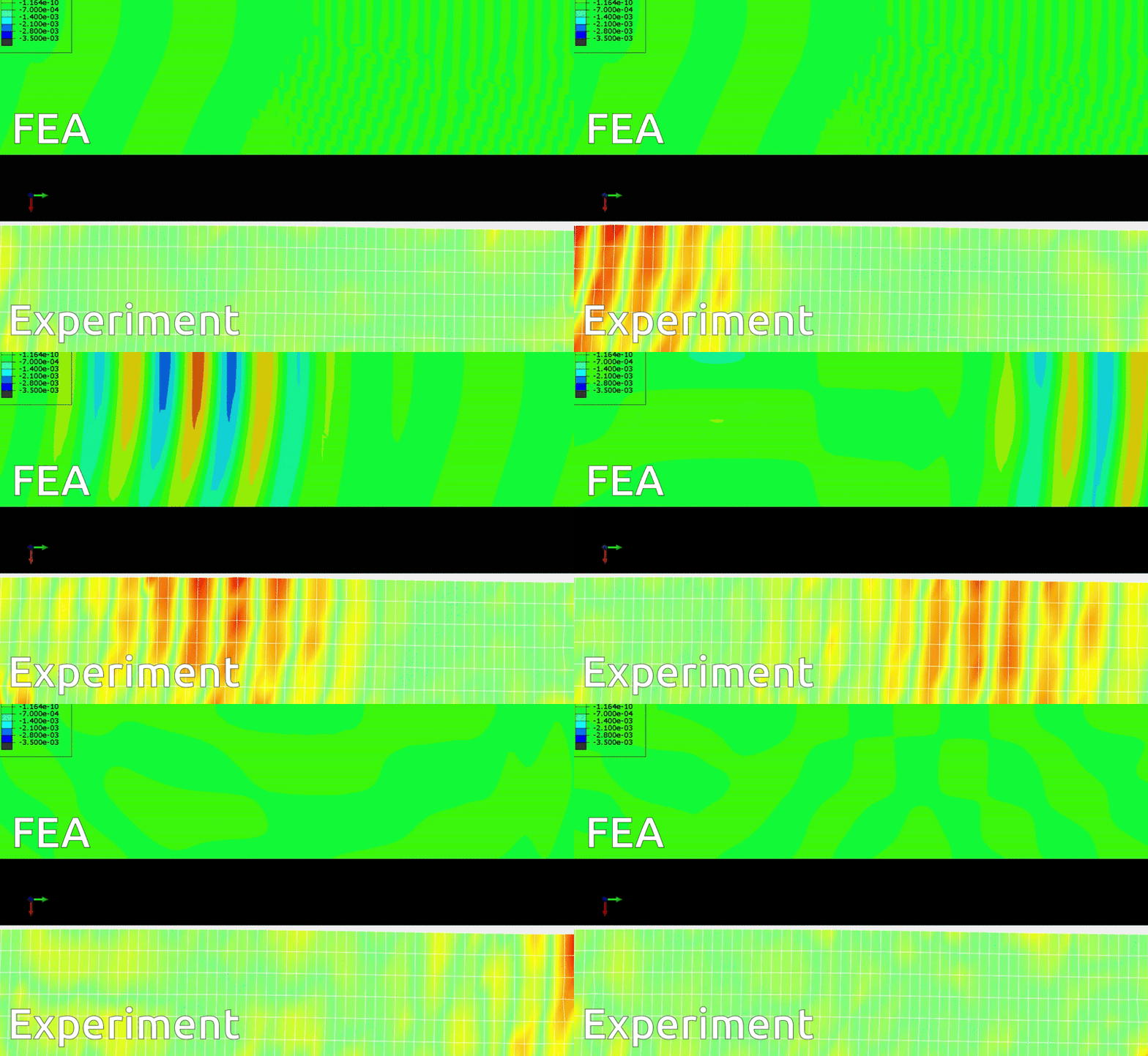
Laser vibrometry is ideal for lightweight or fragile components that are difficult to measure accurately, since the weight of attaching sensors can disturb measurement. Additionally, composites, organic materials, and complex assemblies are also ideal candidates as they are notoriously difficult to simulate on account of their inhomogeneity and use of adhesives.
Common examples of this include lightweight composites such as carbon fiber, which are required to withstand excessive vibration in aerospace and automotive applications. In such cases, experimental data is extremely valuable to characterise the real world performance of components in response to realistic conditions.